

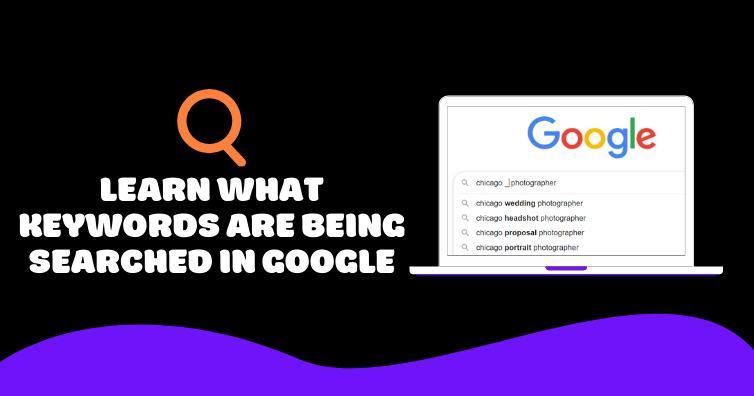

If you’re doing SEO, the first step is to learn what keywords people search in Google so you can target them in your content and SEO strategy.
This is called keyword research and it can make the difference between ranking on page 1 or page 7. Ideally, you should do this before designing a website to align your content with real search phrases.
Below are five methods for selecting effective keywords. Follow these to avoid targeting overly competitive terms or phrases with no search volume.
- Start With Google Autocomplete
- Hone In Using Google Keyword Planner
- See Competitor Keywords With HubShout Web Grader
- Determine the Ideal Search Volume for Your Focus Keyword
- Create and Organize Your Keyword List
1. Start With Google Autocomplete
Google Autocomplete is the easiest way to see popular search queries. Go to Google.com, start typing a phrase, and watch the suggestions appear based on previous searches. Try the “fill in the blank” method to uncover long-tail keywords.


Long-tail keywords (three or more words) are more specific, easier to rank for, and often convert better. Use Autocomplete to generate a list of relevant phrases before moving on to tools that show exact search volumes.
2. Hone In Using Google Keyword Planner
Google Keyword Planner reveals how many people search for a term each month, offers related suggestions, and lets you apply filters to narrow your list.
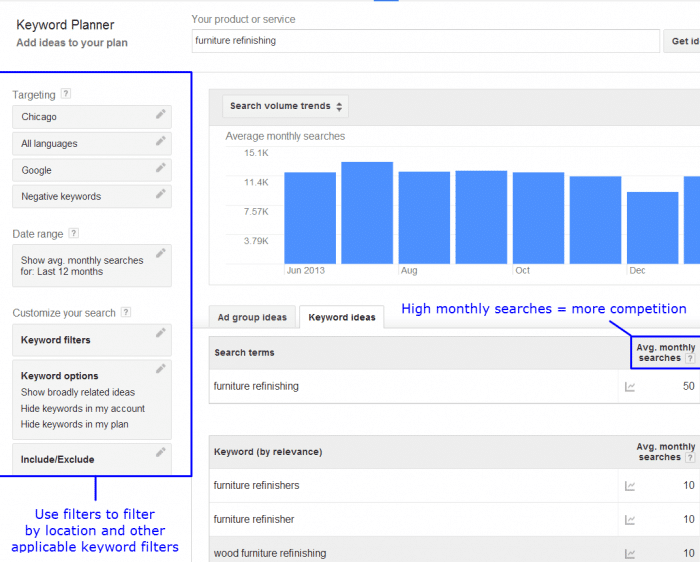
- You must sign up for Google Ads to access the tool.
- Start with a broad term to see more suggestions.
- Ensure you’re on the “Keyword ideas” tab.
- Ignore the competition metric, as it’s intended for paid ads, not SEO.
3. See Competitor Keywords With HubShout Web Grader
HubShout Web Grader compares your site’s keywords with competitors’ and provides metrics like estimated traffic value and backlink count.

4. Determine the Ideal Search Volume for Your Focus Keyword
In Keyword Planner, you’ll see exact monthly search volumes. To choose the right target, check your site’s domain authority—a score from 0–100 that predicts your ability to rank.

Use this chart from Orbit Media’s guide to match your domain authority with suitable search volumes.

Smaller sites may focus on keywords with fewer searches, while established domains can target higher-volume terms. Over time, improve your authority by earning quality backlinks to compete for more popular keywords.
5. Create and Organize Your Keyword List
Compile all your chosen keywords in a spreadsheet or document, grouping related terms and noting monthly volumes. This organized list will guide your content strategy and ensure you cover all relevant search phrases.
I hope you found these methods helpful. Stay tuned for more SEO tips and consider subscribing to newsletters for updates.
Cheers,
